


Ryukyu Bingata
Bingata is a traditional Okinawan dyed textile art that features bright,colorful patterns.It started in the 15th century during the time of the Ryukyu Kingdom, influenced by trade with China, India,and Southeast Asia.
The name comes from "Bin" = red (originally meant "colorful" in general), "Gata" = stencil or pattern.


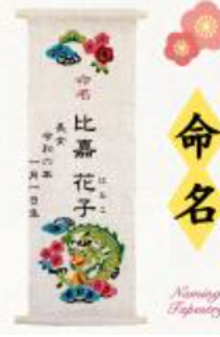
Technique:
Use of stencils and hand painting.
First, designs are drawn with a stencil and rice paste (to block out areas).
Then, vibrant dyes — originally natural dyes — are brushed onto the fabric.
After dyeing, the fabric is steamed, washed, and finished.
Designs:
Nature themes: flowers, birds, ocean waves, clouds.
Often symbolic: prosperity, happiness, long life.
Very bright and vivid, compared to mainland Japanese kimono designs.
Materials:
Originally silk.
Now also cotton and synthetic fabrics.
Uses:
Traditional royal costumes (for Ryukyu kings and nobles).
Today, bingata is used for kimono, obi (sashes), shirts, bags, and interior decorations.
Modern Bingata
Today, Okinawan artists continue to create bingata, mixing traditional and modern styles.
Some artists stick to ancient methods, while others create new, contemporary designs.
Bingata workshops (like those around Naha) even let visitors try making their own small bingata pieces!